For years, fitness culture has revolved around protein powders, pre-workouts, creatine, BCAAs, mass gainers, and fat burners. These supplements promise faster muscle growth, improved endurance, and better performance. Gyms are growing, fitness influencers are everywhere, and supplement shelves keep expanding. But along with these trends, another pattern has emerged quietly: people in their early 20s and 30s are noticing early hair thinning.
The question is becoming more common: Are fitness supplements secretly contributing to hair loss? And the answer is not as straightforward as yes or no. Hair loss is rarely caused by a single factor. It’s usually an interplay of genetics, hormones, lifestyle, diet, stress, and underlying medical conditions. However, certain supplements can accelerate or amplify the hair loss process in individuals who are already predisposed.
This is also why many young individuals who experience unexpected thinning begin researching early treatments and options such as a hair transplant in Mumbai, especially when the thinning progresses faster than they expected.
This guest post explores the relationship between popular fitness supplements and hair health, separating myths from science and helping fitness enthusiasts make informed choices.
The Silent Link – Supplements, Hormones, and Hair
Hair loss, especially in men, primarily revolves around the hormone DHT (dihydrotestosterone). People with a genetic tendency for androgenetic alopecia have hair follicles that shrink when exposed to high DHT levels. Over time, this leads to thinner, weaker hair and eventually permanent follicle miniaturisation.
What many do not realise is that several fitness supplements can alter the hormonal environment, directly or indirectly affecting DHT levels.
The Role of DHT in the Fitness-Hair Loss Relationship
When testosterone rises, DHT often rises as well. Even if a supplement does not contain testosterone, anything that boosts testosterone production can influence DHT. Higher DHT equals higher chances of hair follicle damage in those genetically prone.
This doesn’t mean everyone taking supplements will lose hair, but individuals with a family history of pattern baldness are more vulnerable.
Which Supplements May Contribute to Hair Loss?
Let’s break down the supplements that have the strongest theories or evidence connecting them to hair thinning.
1. Whey Protein Concentrate and Isolate
Whey protein itself is not harmful. The concern comes from two factors:
- Whey increases IGF-1 (Insulin-like Growth Factor 1): IGF-1 plays a role in muscle growth but may also stimulate pathways that increase DHT production.
- Hormonal additives in low-quality whey: Some cheaper whey proteins contain impurities or residues from dairy sources that were treated with hormonal injections.
This hormonal influence is subtle, but over years of heavy whey consumption, individuals predisposed to hair loss may notice accelerated shedding.
2. Creatine
Creatine is one of the most researched and safest performance supplements. However, one 2009 study linked creatine to a significant rise in DHT levels among rugby players. This doesn’t prove creatine causes hair loss, but it supports the idea that creatine could trigger DHT elevation.
Creatine may not cause hair loss, but it might speed up the process in people genetically sensitive to DHT.
3. Testosterone Boosters (Tribulus, Ashwagandha, DAA, Fenugreek)
Natural testosterone boosters can:
- Increase free testosterone
- Potentially increase DHT
- Accelerate androgenic hair loss if you’re predisposed
Even though they are labelled “herbal” or “safe,” many can subtly alter hormonal pathways.
4. Pre-Workouts with High Stimulants
Pre-workouts overloaded with caffeine and stimulants induce stress hormone spikes. Stress affects hair cycles, pushing more follicles into the shedding phase.
Consistent overuse can lead to telogen effluvium, a condition where hair sheds excessively due to internal stress.
5. Anabolic Steroids and SARMs
This category is the most dangerous for hair. Steroids and SARMs drastically spike androgen levels and aggressively increase DHT. Hair loss in such cases is not subtle; it becomes noticeable within months.
Supplements That Are Safe and Do Not Cause Hair Loss
Plant-based Proteins
Pea, rice, soy, and hemp proteins do not influence DHT levels the way whey sometimes can.
Collagen
It supports hair growth by improving scalp health and follicle strength.
Omega-3 Capsules
They reduce inflammation and can improve circulation to the scalp.
Multivitamins and Mineral Complexes
Zinc, iron, magnesium, and biotin support hair growth and prevent deficiencies.
Electrolytes and Hydration Mixes
These have no hormonal impact and are completely safe for hair.
The key point is this: supplements that do not interfere with hormones generally do not affect hair growth or hair loss.
How to Know If Supplements Are Affecting Your Hair
Not every supplement user will experience hair fall. You might be at higher risk if:
- You have a family history of baldness
- Your hair fall increased after introducing new supplements
- You consume high quantities of whey or creatine daily
- You use testosterone boosters or intense pre-workouts
- You experience stress, poor sleep, or acne (signs of hormonal imbalance)
To identify if supplements are contributing:
Observe
Notice when hair fall increased. Was it 2–3 months after starting a new supplement? That’s the typical timeline for hair cycle shifts.
Reduce Dosage
Try lowering intake and monitor for changes.
Switch to Safer Alternatives
Move from whey to plant-based protein and see if shedding reduces.
Blood Test
Check testosterone, DHT, cortisol, thyroid hormones, and vitamin D.
Being proactive helps you identify the real root cause.
When Hair Loss Becomes Noticeable, What’s the Solution?
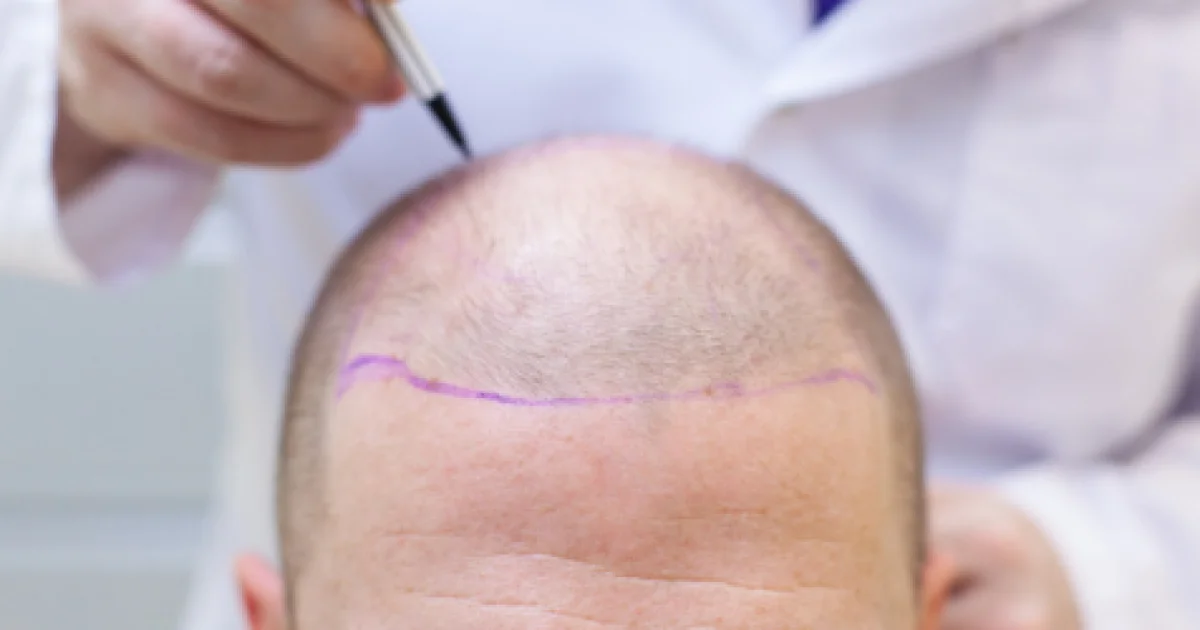
If the cause is temporary hormonal changes or stress, hair fall may reverse with lifestyle adjustments. But if supplements triggered androgenetic alopecia earlier than expected, the thinning may not reverse naturally.
That is where professional treatments make a difference.
Early intervention can preserve existing hair, restore density, and slow down further loss.
In such situations, individuals often consider exploring hair treatments, especially when non-surgical treatments are no longer enough. Choosing a clinic with a scientific, ethical, and personalised approach becomes crucial in such cases.
The Rise of Fitness-Driven Hair Loss Cases
Dermatologists and trichologists in metro cities are reporting an increase in young men experiencing hair thinning despite being fit, active, and health-conscious. The rise of supplements, gym culture, fast recovery expectations, and hormonal experimentation is playing a subtle but impactful role in hair health.
The good news is that hair loss today is treatable, manageable, and reversible in many early cases through medical therapy, lifestyle correction, and evidence-based hair restoration methods.
For more advanced cases, people increasingly look for hair transplant centres Bloom Hair Transplant Clinic, where experienced surgeons use modern techniques like DHT (Direct Hair Transplant), Sapphire FUE, and advanced graft preservation methods to deliver natural and long-lasting results.
Supplements & Hair Health
Fitness supplements are not the enemy. They only become a problem when:
- The product quality is poor
- They’re used excessively
- They alter hormones significantly
- The person has a genetic predisposition to hair loss
The best approach is balance. Be mindful of your supplement choices, listen to your body, monitor your hair, and get professional help when needed.