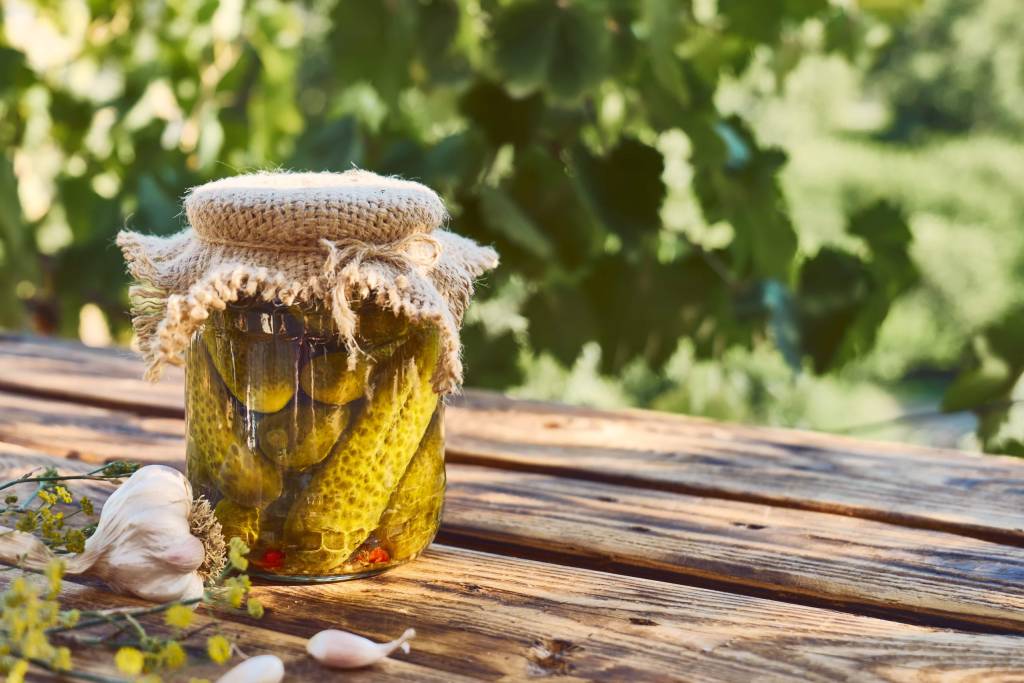
Pickles in India are far more than a side dish. They are carriers of memory, tradition, and identity, passed down through generations with care and patience. From the sun-drenched terraces of Rajasthan to the coconut-scented kitchens of Kerala, every region has its own approach to pickling, shaped by climate, available produce, and cultural practices. For many of us, the aroma of a freshly prepared pickle instantly transports us back to childhood kitchens, where recipes were never written down but learned through observation and instinct. Brands like Nani ka Pitara draw inspiration from these deeply rooted traditions, keeping alive the age-old wisdom of preserving food while celebrating the emotional bond attached to it.
The Origins of Pickling in Indian Households
Pickling in India predates refrigeration by centuries and developed as a practical solution to seasonal abundance. When mangoes flooded markets in summer or when fresh turmeric appeared briefly each year, households found ways to preserve these ingredients for months. Oil, salt, spices, and sunlight became natural preservatives, allowing families to enjoy intense flavours long after the season ended.
Unlike Western pickling methods that rely heavily on vinegar, Indian pickles are often oil-based or dry, creating a completely different flavour profile. Mustard oil in the north, sesame oil in the south, and ground spice blends unique to each region formed the backbone of preservation techniques. These methods were refined over time, balancing taste, shelf life, and health benefits.
Regional Diversity in Indian Pickles
Indian pickles are as diverse as the country itself. In North India, mango, lemon, and green chilli pickles dominate, often sharp, spicy, and pungent. These are typically sun-cured and stored in large ceramic jars, stirred daily to ensure even fermentation. In contrast, South Indian pickles frequently use tamarind, gongura leaves, and raw turmeric, relying on sesame oil and a slightly tangy profile.
Western India introduces sweet and spicy combinations, especially in Gujarati pickles, where jaggery softens the heat of chilli and mustard. Eastern India adds its own twist with mustard pastes and fermented fish pickles, reflecting the region’s culinary preferences. Each style reflects local climate, produce availability, and cultural tastes, making Indian pickling a deeply regional art.
The Science Behind Traditional Pickling
While traditional pickling may appear intuitive, it is rooted in sound food science. Salt draws out moisture from vegetables and fruits, creating an environment that inhibits harmful bacteria. Oil acts as a barrier against air, preventing spoilage, while spices such as turmeric, mustard seeds, and fenugreek possess natural antimicrobial properties.
Sunlight plays a crucial role in many traditional recipes. Controlled exposure to heat helps ingredients soften, blend flavours, and initiate mild fermentation. Over time, these elements work together to create pickles that not only last for months but also develop deeper, more complex flavours with age.
Pickles as Functional Foods
Beyond taste, Indian pickles have long been valued for their digestive benefits. Small portions are believed to stimulate appetite, aid digestion, and balance meals that may otherwise be heavy or bland. Fermented pickles contribute beneficial bacteria, while spices help reduce bloating and enhance metabolism.
In many households, a simple meal of rice and lentils feels incomplete without a spoonful of pickle. This is not just a habit but a reflection of how pickles elevate basic food, adding excitement and depth while supporting digestion.
This shift has influenced people to turn towards traditional foods. Many now seek homemade pickles online, looking for products that replicate the taste and texture of family recipes without artificial preservatives. This growing demand reflects a broader cultural movement toward authenticity, transparency, and nostalgia-driven food choices.
Modern Kitchens and the Revival of Pickling
In recent years, there has been a renewed interest in traditional food practices, including pickling. As people move away from overly processed foods, they are rediscovering the value of slow, mindful preparation. Urban kitchens may lack the space for large pickle jars, but the desire for authentic flavours remains strong.
Pickles Beyond the Side Dish
Traditionally seen as an accompaniment, pickles have found new roles in contemporary cooking. Chefs and home cooks alike experiment with pickle-infused sauces, spreads, and marinades. A spoonful of pickle oil can transform a simple vegetable stir-fry, while chopped pickles add depth to wraps, sandwiches, and even fusion dishes.
This versatility demonstrates how pickles are not static relics of the past but evolving elements of modern cuisine. Their intense flavours allow small quantities to make a big impact, aligning well with today’s focus on bold taste with minimal ingredients.
Emotional Connections and Family Recipes
Perhaps the most powerful aspect of pickles is their emotional significance. Many families associate specific pickles with particular people, often grandmothers or elders who prepared them annually with ritual-like dedication. These recipes were rarely measured, relying instead on experience and intuition.
The act of pickling itself was communal, involving cleaning, cutting, mixing, and waiting together. Even today, opening a jar of pickle can feel like opening a piece of family history. This emotional connection is what makes traditional pickles irreplaceable, no matter how many alternatives exist.
Preserving Tradition in a Fast-Paced World
As lifestyles become busier, fewer people have the time or space to prepare pickles from scratch. Yet the desire to stay connected to culinary roots remains strong. This has led to a new appreciation for brands and artisans who preserve traditional techniques while adapting them for modern consumption.
Maintaining authenticity in such products requires patience, quality ingredients, and respect for the original process. It is not just about taste but about honouring the cultural significance of pickling as a craft passed down through generations.
The Timeless Appeal of Indian Pickles
Indian pickles endure because they satisfy more than hunger. They offer comfort, familiarity, and a sense of belonging. Whether paired with a simple home-cooked meal or incorporated into innovative recipes, pickles continue to hold a special place in Indian food culture.
As culinary trends evolve, the essence of pickling remains unchanged: preserving the best of a season and transforming it into something that lasts. In doing so, pickles remind us that good food is not just about convenience but about connection, patience, and memory.